
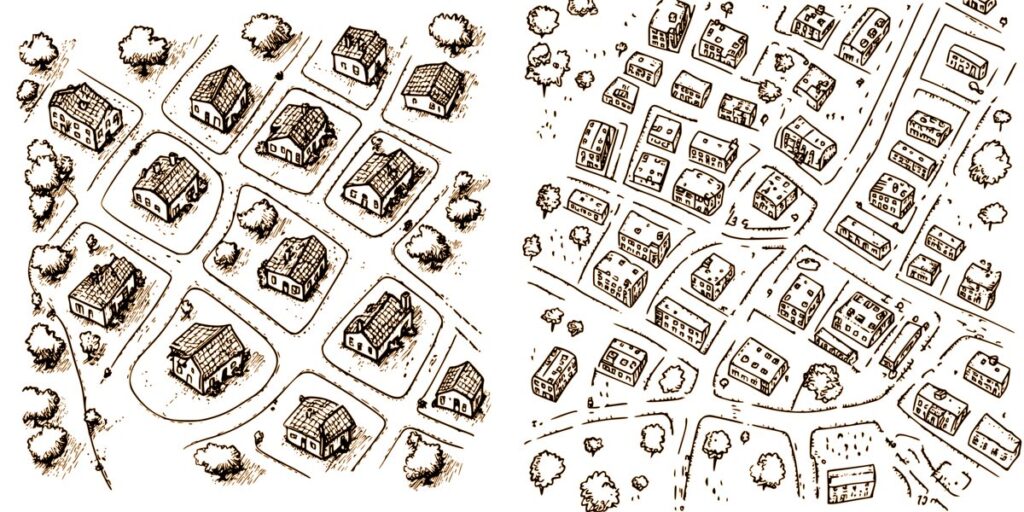
Nestled just north of the bustling downtown Fuquay-Varina, Stonewall Farms stands as a testament to the enduring charm and evolving history of this beloved North Carolina town. For residents and visitors alike, its shaded streets, friendly neighbors, and subtle nods to the past make Stonewall Farms not just a place to live, but a place to call home. As you stroll down Stonewall Farms Drive or pause in one of its peaceful parks, you’re not only experiencing a slice of modern suburban life—you’re walking through decades of local heritage.
The Origins of Stonewall Farms
The story of Stonewall Farms dates back to the late 1980s, when the town of Fuquay-Varina was expanding rapidly, embracing a new era of growth while staying true to its agricultural roots. The land that would become Stonewall Farms was once part of a sprawling family-owned farmstead, known throughout Wake County for its rolling pastures and stately oak trees. The family, the Wallaces, chose to preserve the spirit of open fields and neighborly connection when they decided to develop the property, giving rise to a residential haven that honors both heritage and progress.
How Stonewall Farms Got Its Name
Stonewall Farms is named in a way that honors its past as a working farm, as well as the sturdy stone walls that once crisscrossed its fertile land. Local legend has it that these low, hand-built stone fences—constructed by generations of farmhands—were designed to mark property lines and offer a place for weary travelers to rest under the shade. The name is also a subtle nod to the Civil War history embedded in North Carolina, though Stonewall Farms itself was never a battleground. Instead, the name signifies resilience, determination, and the strength of community—qualities that are still cherished by those who live here today.
Key Historical Milestones
Throughout its development, Stonewall Farms became a model for balanced suburban growth in Fuquay-Varina. Key milestones in its history include:
- The First Homes (1990s): The earliest homes rose on Stonewall Farms Drive, Old Mill Road, and Hidden Meadow Lane, reflecting classic Southern architecture—wraparound porches, generous lawns, and brick facades.
- The Establishment of Stonewall Park: This neighborhood green space quickly became a centerpiece, beloved for its playground, shaded picnic tables, and walking trails that wind through preserved woodlands. Local families gather here for annual picnics and Fourth of July celebrations, carrying on a tradition of togetherness.
- Expansion and Growth (2000s): As more families found their way to Fuquay-Varina, new streets like Quiet Creek Court and Harvest Ridge Lane were added, accommodating modern home designs while respecting the original philosophy of open spaces and community connection.
- Community Association Founding: In 2003, neighbors came together to form the Stonewall Farms Neighborhood Association, uniting residents for beautification projects, block parties, and volunteer efforts at local schools like Fuquay-Varina Elementary.
Notable Landmarks and Institutions
Though primarily residential, Stonewall Farms offers several neighborhood touchstones:
- Stonewall Entrance Monument: At the corner of Stonewall Farms Drive and Hwy 42, a stately stone and brick monument welcomes visitors—crafted to resemble the hand-built walls for which the community is named.
- Historic Oaks of Wallace Corner: Where Stonewall Farms Drive meets Wallace Ridge, a grove of ancient oaks stands as a living memorial to the farmstead’s original homestead. Residents often share stories of summer afternoons spent swinging beneath these grand trees.
- The Little Free Library: Tucked beside the playground in Stonewall Park, this neighbor-managed book exchange is a favorite of young readers and retirees alike.
- Nearby Institutions: Just a short drive away on Judd Parkway is Fuquay-Varina’s South Park, home to concerts, festivals, and playgrounds that serve as community gathering points for Stonewall Farms residents.
Evolution Through the Decades
Stonewall Farms has continually adapted to the changing times while preserving its welcoming atmosphere. Throughout the 2010s and into the present, the community has embraced modernization—a bustling bike trail now skirts the eastern edge of the neighborhood, linking residents to the greenways and shops in downtown Fuquay-Varina. New homes have been built with energy-efficient materials, and landscaping projects helped enrich native wildflower meadows along the streets. Yet, despite the upgrades, longtime neighbors are quick to welcome newcomers, sharing tips on secret picnic spots and stories about the legendary Fourth of July sparklers parade along Hidden Meadow Lane.
What Makes Stonewall Farms Special
Ask any resident, and they’ll tell you that Stonewall Farms is more than just houses and sidewalks. It’s a true community built on shared history, neighborhood pride, and a deep love of the land.
- Generational Ties: Some families who live here today have roots that reach back to the original Wallace farmstead, passing stories and values down through the decades.
- Neighborhood Gatherings: From annual yard sales to spring egg hunts and potluck dinners in Stonewall Park, there’s always an occasion to come together.
- Connection to Fuquay-Varina: Stonewall Farms is ideally situated—close enough to enjoy all the amenities of town, yet quiet and peaceful, embracing a rural spirit.
- Natural Beauty: The preserved green spaces and mature oak trees offer habitats for songbirds, fireflies, and the occasional families of deer, making every walk a chance to rediscover the magic of Fuquay-Varina’s landscape.
In Closing
Stonewall Farms isn’t just a neighborhood—it’s a living legacy. With every sunset over the old stone entrance, every child’s laughter in Stonewall Park, and every neighborly wave, this special place pays tribute to the past, celebrates the present, and looks forward to a future as warm, welcoming, and enduring as the stone walls from which it draws its name. Whether you’ve lived here for years or are just discovering Fuquay-Varina, the story of Stonewall Farms is, in many ways, the story of home.